
The Counterfeit Boom and Why True Authentication Matters When Selling Your Luxury Bags, Watches, and Jewelry
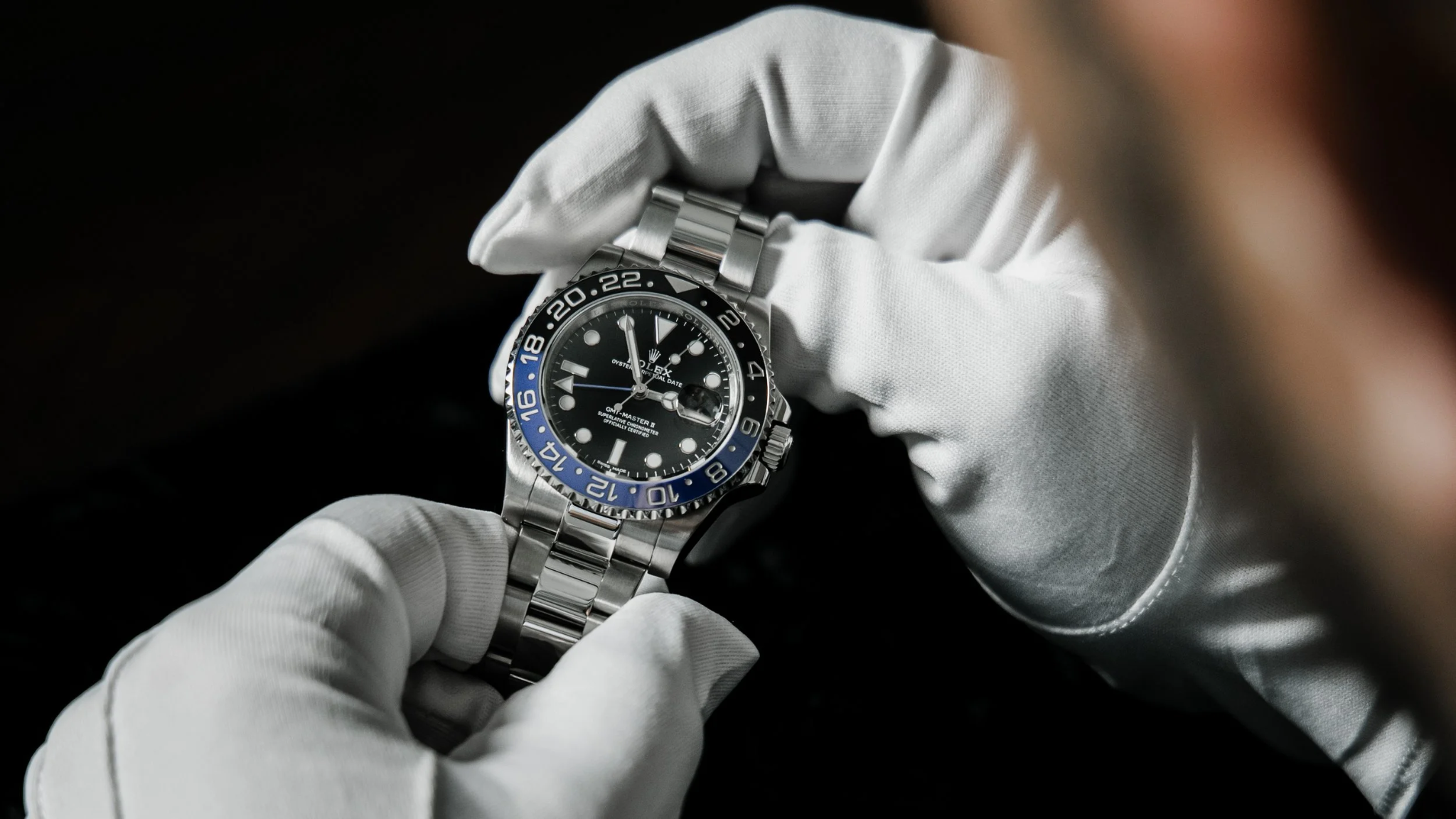
Superclones use sophisticated manufacturing techniques that make visual inspection alone unreliable. Recent global marketplace data show that nearly 8% of luxury goods sold online exhibit counterfeit indicators, while ultra-luxury handbags and high-demand sports watches can reach replica rates of 15%-20% in unverified marketplaces.
For sellers, this creates serious financial and reputational risks. Buyers are more cautious, verification standards are higher, and unverified assets often struggle to achieve full market value. Professional authentication has become one of the most important steps in protecting your asset, building buyer confidence, and securing the strongest possible return during a sale.
What is the Counterfeit Boom and How Does It Impact Asset Value?
The counterfeit boom refers to the large-scale production of high-end luxury replicas designed to closely match authentic items in appearance, weight, and material quality. Today's counterfeit manufacturers no longer rely on obvious flaws like poor stitching or inaccurate logos. Many now use advanced 3D scanning technology, precise weight replication, and matching metal alloys to imitate genuine luxury products at an alarming level.
When you try to sell a luxury handbag, watch, or collectible asset, this rise in near-perfect replicas increases buyer skepticism across the secondary market. Without verified authentication, your genuine item can easily be grouped with unverified goods, making buyers more cautious and lowering the offers you receive.
Professional authentication helps separate your asset from the counterfeit market by providing objective verification and expert analysis that confirms legitimacy. Here's how it may affect you:
- Buyers are far more cautious when purchasing luxury assets
- Advanced "superclones" make visual inspection unreliable
- Unverified items often receive lower offers
- Buyer trust becomes harder to establish during private sales
- Authentication helps protect your asset's true market value
- Verified assets are more likely to command stronger resale pricing
Why Is the Modern Secondary Market Dominated by Advanced Superclones?
The luxury resale market is facing a major rise in high-end counterfeits because these manufacturers now use advanced industrial technology and precision manufacturing tools. Fake luxury items were easier to identify through basic inspections, uneven details, or low-quality materials. However, now they are far more sophisticated and are designed to pass casual inspections with ease.
Modern counterfeit operations now replicate structural details, materials, weight, and finishing at an extremely advanced level, making authentication more important than ever before.
Advanced Handbag Replicas
Luxury handbags are among the most heavily targeted assets in the counterfeit market. Many replicas now feature near-identical canvas coatings, stitch patterns, hardware finishes, and brand stamps that closely mirror authentic retail products.
Some producers even source leather from the same European tanneries used by major luxury fashion houses, making traditional visual and sensory inspections far less reliable.
Precision Watch Cloning
High-demand luxury watches are now replicated using premium materials such as 904L stainless steel, exact weight balancing, and cloned mechanical movements. Some movements are engineered to imitate the internal architecture of authentic mechanical calibers, including matching power reserves and wheel placements, making detection significantly more difficult without professional verification.
High-Grade Jewelry Replication
Counterfeit fine jewelry has also become increasingly advanced. Replica manufacturers now use matching gold weights, genuine low-grade diamonds, and laser-engraved serial numbers that closely resemble authentic luxury pieces. Because of this, simple acid testing or weight checks alone are no longer enough to confirm authenticity in many cases.
Common Risks and Outdated Authentication Mistakes to Avoid
The luxury resale market is filled with sophisticated counterfeits and highly organized marketplace scams. Relying on outdated verification methods can expose you to major financial losses, buyer disputes, and reduced resale value. Modern authentication requires far more than paperwork or visual inspection alone.
Relying only on boxes, receipts, or warranty cards: Packaging, receipts, and NFC cards are now frequently forged. Counterfeiters use fake paperwork to pass replicas as authentic.
Using online marketplace photos alone: Scammers often steal images of genuine products to sell fake items, creating increased risk of return fraud, disputes, and account suspension.
Trusting basic sensory inspections: Superclones can pass touch, smell, weight, and visual checks. Sellers risk misidentifying advanced counterfeits and losing asset value.
Relying Blindly on Packaging and Receipts
One of the biggest mistakes sellers make is assuming original packaging guarantees authenticity. Modern counterfeit operations now produce highly convincing boxes, receipts, warranty cards, and even functional NFC chips that redirect to official brand websites when scanned.
Because these materials are relatively easy to duplicate, experienced buyers and authentication specialists focus primarily on the physical construction and technical verification of the asset itself rather than the paperwork that comes with it.
Trusting Unverified Peer-to-Peer Platforms
Selling luxury items through unverified peer-to-peer marketplaces creates significant financial and legal risk. Fraud schemes involving chargebacks, counterfeit returns, and item-switch scams have become increasingly common across online resale platforms.
In many cases, scammers purchase authentic items, falsely claim the product is fake, and return a high-quality replica while keeping the genuine asset. Without a documented professional authentication report completed before the transaction, sellers often have little protection against these disputes.
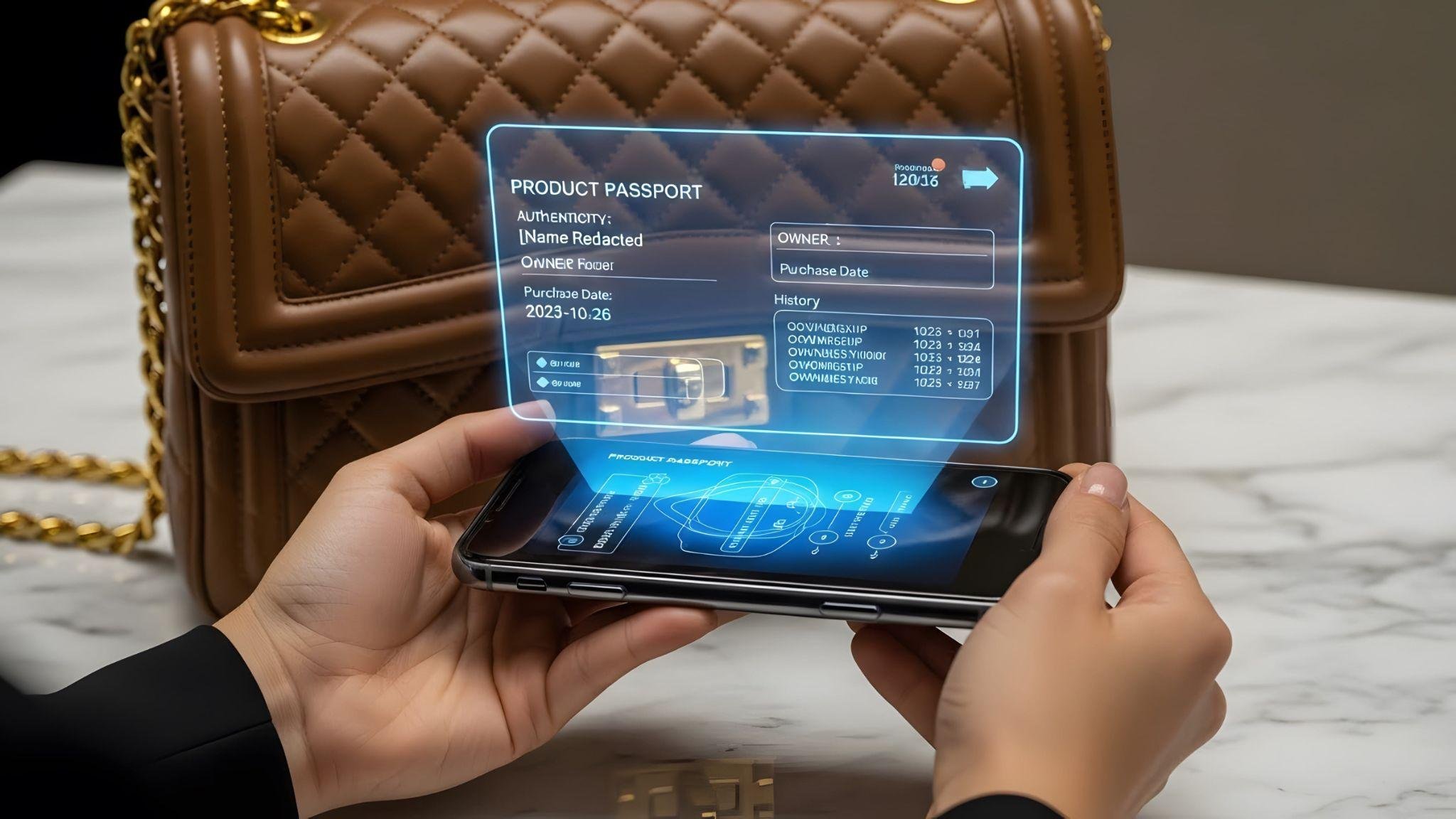
How Modern Authentication Technology Protects Your Financial Return
Buyers are more cautious than ever because advanced counterfeits can closely resemble authentic luxury goods. As a result, verification now depends on a combination of technology, scientific analysis, and specialized expertise rather than visual inspection alone.
Modern authentication helps establish trust, reduce buyer hesitation, and support stronger resale pricing by providing objective proof that your asset is genuine.
Microscopic Imaging and AI-Based Analysis
Modern authentication often begins with high-resolution imaging systems capable of examining microscopic production details that are invisible during standard inspections. These systems analyze stitching precision, material grain patterns, surface textures, engraving quality, tooling marks, and manufacturing tolerances.
The collected data is then compared against extensive databases containing verified authentic and counterfeit examples. Machine learning systems help identify inconsistencies with greater speed and accuracy while reducing the subjective bias that can occur during manual evaluations.
Internal Mechanical Verification for Luxury Watches
For luxury watches, internal diagnostics remain one of the most important steps in the authentication process. Even highly sophisticated replicas often reveal inconsistencies once the movement is examined under magnification.
Authentication specialists typically inspect the following:
- Movement architecture and component layout
- Finishing quality and polishing techniques
- Jewel placement and balance wheel configuration
- Rotor engravings and serial markings
- Escapement construction and gear alignment
These inspections help expose counterfeit or modified frankenwatches that may contain a mix of genuine and replica components.
Metallurgical and Gemological Testing
Luxury jewelry authentication increasingly relies on scientific composition analysis to confirm material integrity and gemstone authenticity. Advanced testing equipment can verify precious metal purity, alloy composition, structural consistency, and diamond inscription accuracy without damaging the piece.
These methods are especially important because many modern items now use genuine low-grade stones and accurate weight matching to imitate authentic luxury jewelry. Scientific testing helps identify construction flaws and material inconsistencies that traditional evaluations may overlook.
The Safest Process for Selling High-Value Luxury Assets
Selling a luxury asset safely requires far more than posting photos online and waiting for a buyer. A structured professional process helps protect your item, reduce fraud risk, and secure the strongest possible financial return.
Secure Intake and Asset Documentation
Your authentication process begins with a formal in-person intake designed to establish a permanent, secure chain of custody. Verification specialists carefully record your item's exact dimensions, weight down to the gram, serial numbers, structural details, and any existing wear patterns before any secondary physical testing begins.
This initial documentation acts as a vital protective shield for you, eliminating the risk of aftermarket disputes, item-switch scams, or condition disagreements during the liquidation process.
Multi-Level Authentication Testing
Because modern counterfeit operations target specific designer goods differently, true validation requires highly specialized testing methods tailored entirely to your asset's exact category, materials, and internal architecture.
Luxury Handbags
Modern designer handbags require intense evaluation at both the surface and microscopic levels to expose hidden inconsistencies that a casual inspection completely misses. Authentic heritage fashion houses utilize a distinct 45-degree angled saddle stitch, maintaining an exact, unvarying millimeter count per stitch that automated counterfeit machinery cannot match.
Furthermore, the material verification process evaluates the chemical scent profiles of premium vegetable-tanned European leathers, which smell entirely distinct from the harsh, toxic chemical bonding agents used in replica production factories. Finally, high-resolution diagnostic testing isolates the specific weight, alloy composition, and microscopic laser-engraving depths of branded zipper assemblies to confirm that every element of hardware matches strict original factory standards.
To verify your designer bags, look for these specific indicators:
- Microscopic Stitch Pitch: Precise alignment using a strict 45-degree hand-sewn saddle pattern.
- Tannery Aroma Profiles: Genuine vegetable-tanned hides free from toxic chemical glues or synthetic coatings.
- Hardware Metallurgy: Exact weight balances and micro-engraved zipper tracks matching historical specifications.
Prestige Watches
Verifying premium timepieces requires looking far past external designs, as high-end superclone factories now copy dials, case dimensions, and weight distributions with alarming accuracy. True watch authentication relies heavily on analyzing the exact internal architecture of cloned calibers under intense magnification. Modern replica operations mimic internal mechanical movements down to fake balance wheel bridges, meaning experts must search for deep microscopic flaws such as improper chamfering on plate edges, low-quality jewel settings, and incorrect polishing lines.
Specialists also place your watch on a digital timing machine to monitor for incorrect beat errors and micro-amplitude fluctuations, while simultaneously checking for mismatched font sizes or uneven kerning on the date wheel overlays to confirm complete mechanical legitimacy.
Your luxury timepieces undergo a series of specialized diagnostic checks:
- Cloned Movement Analysis: Internal inspections checking for plate chamfering flaws and jewel setting issues.
- Chronometric Diagnostics: An electronic timing machine runs, measuring beat errors, frequency, and amplitude stability.
- Registry and Dial Verifications: Cross-checking serial numbers against global theft databases and analyzing date overlays under 10x magnification.
Fine Jewelry
Because counterfeit jewelry manufacturers now use genuine gold coatings and real, low-grade diamonds in their replica pieces, traditional visual evaluations or basic touch tests are completely ineffective. Advanced verification protocols bypass basic, destructive acid scratching and instead utilize non-destructive X-Ray Fluorescence (XRF) spectrometers.
This specialized equipment safely fires radiation through your piece to calculate its exact metallurgical composition down to parts per thousand. This technology instantly exposes advanced fakes that perfectly match the weight of 18k gold by hiding high-density tungsten or copper cores underneath a thick gold plating, protecting your equity from hidden base metals.
Fine jewelry verification relies on these technical, scientific benchmarks:
- XRF Spectrometry: Non-destructive radiation scans proving metal purity down to parts per thousand.
- Gemological Inscription Mapping: Micro-inspecting diamond waistlines to match laser-etched registry numbers.
- Structural Bench Evaluation: Analyzing prong symmetry, soldering techniques, and setting integrity under magnification.
Real-Time Market Valuation
Once your items pass every technical verification tier, an asset manager performs a real-time market value analysis. This evaluation moves past speculative or inflated internet listings, looking directly at historic auction data, regional demand shifts, dealer network transaction records, and actual secondary-market velocity.
Basing your valuation on verified, live transaction metrics guarantees you receive an accurate cash offer reflecting the true global demand for your specific asset.
Secure Payment and Transaction Protection
The final step of a professional luxury sale removes all the typical risks found on peer-to-peer apps, such as chargeback fraud, delayed platform payments, and platform escrow disputes.
Once you accept a verified market offer, the transaction concludes immediately inside a secure facility with a direct wire transfer or immediate payment. This structured approach provides full financial protection, ensuring you leave with your capital secured and your transaction finalized safely.
Frequently Asked Questions
Why are modern counterfeit watches difficult to identify?
Modern replicas use advanced materials, laser engraving, and cloned movements that closely match genuine luxury watches. Most fakes now require professional movement and material testing to verify authenticity.
Why is luxury authentication more difficult today?
Luxury brands often have slight production variations across factories and years. Because of this, authentication now relies on detailed databases and advanced verification tools instead of visual checks alone.
Why is jewelry authentication more complex?
Counterfeit jewelry may contain real gold and genuine low-grade diamonds, making basic tests unreliable. Proper authentication requires advanced metal analysis and gemological inspection tools.
If you are ready to sell your luxury bags, watches, or fine jewelry securely, the specialists at Luxury Buyer KC can help you protect your investment with professional evaluations, advanced authentication, and immediate secure payouts based on current market demand. Schedule your private consultation and secure the maximum financial return for your premier assets.
