
Combatting The Counterfeit Crisis
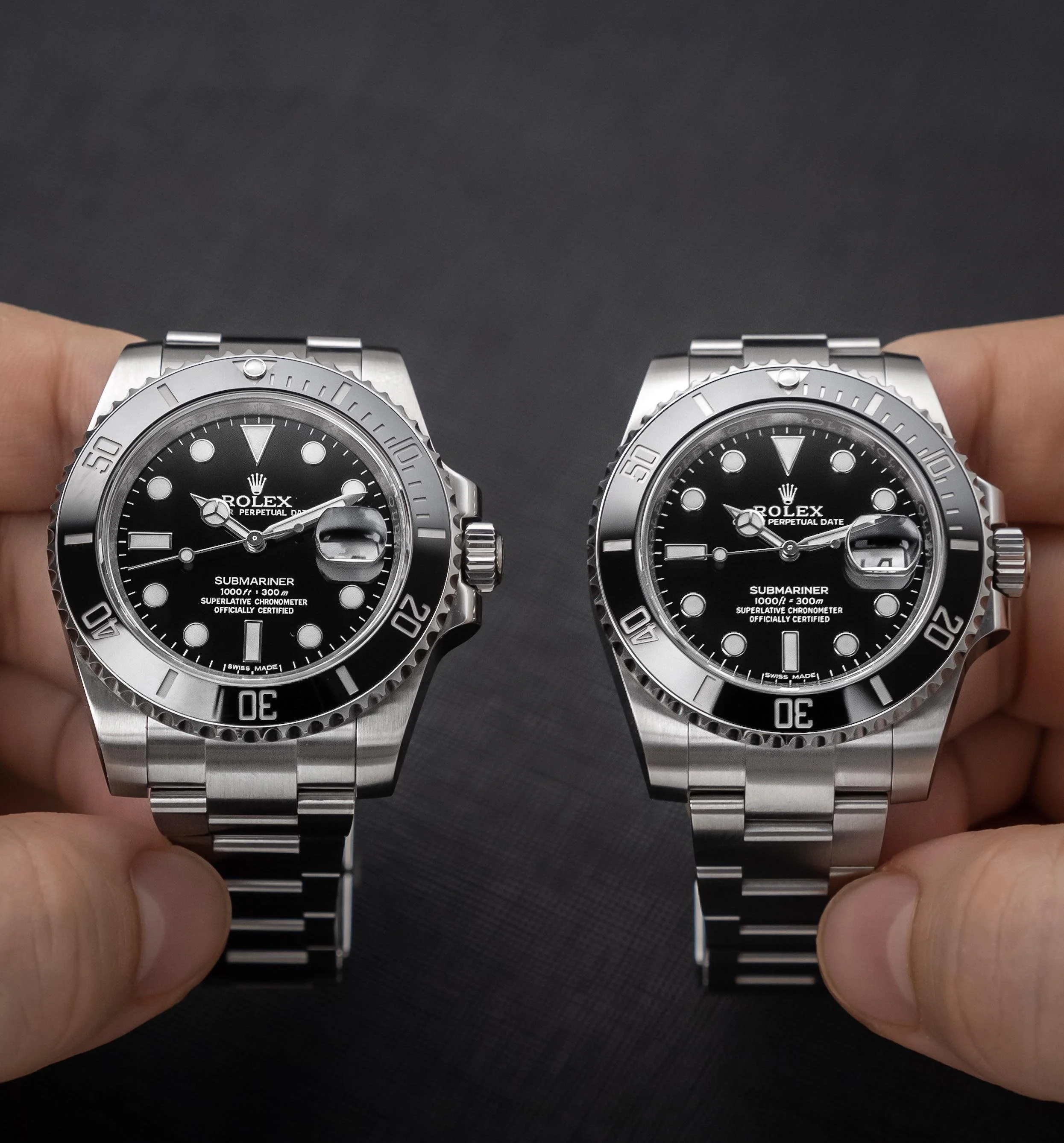
The luxury world is facing a silent crisis. In the past, you could spot a fake by its lightweight feel or obvious typos. Today, we have entered the era of the super fake. These high-tier replicas are manufactured with such precision that they often weigh, look, and feel identical to the originals. Understanding how experts navigate this landscape is the first step in protecting your investment.
The Evolution of the Counterfeit Market
Modern counterfeiters use 3D scanning and computer numerical control (CNC) machining to replicate the exact dimensions of luxury watch cases and designer hardware. These super fakes are designed to deceive even experienced enthusiasts. They move through sophisticated online marketplaces, often accompanied by forged certificates of authenticity.
Precision Under the Microscope
While a fake might look perfect to the naked eye, it almost always fails under high magnification. Authentic luxury brands invest millions in finishing the tiny details most people never see. Experts look for crisp, sharp edges on engravings and perfectly uniform stitching. Additionally, magnification often reveals micro-bleeding of ink on a watch dial or jagged edges on metal hardware, indicating a less refined production process.
The Weight of Authenticity
Modern counterfeiters now use tungsten inserts to mimic the substantial heft of precious metals. However, precision remains elusive. For instance, a stainless steel Rolex Submariner 126610LN should weigh approximately 159 grams. Even high-tier replicas often fall short by 3 to 5 grams or fail to replicate the precise balance between the case and the bracelet. By utilizing precision digital scales, experts cross-reference every item against exact factory benchmarks. A discrepancy of even a few grams serves as an immediate red flag, exposing the metallurgical shortcuts hidden beneath the surface.
Movement and Mechanics
The heartbeat of a luxury asset lies in its internal engineering. While many super fakes now utilize automatic movements that mimic a smooth second-hand sweep, they almost always cut corners on internal refinement. By opening the case back, experts inspect specific bridge geometry and the quality of the perlage and the intricate circular graining on the metal components. Authentic mechanisms are works of art with hand-finished edges; replicas, by contrast, usually appear rough and industrial under a loupe. This microscopic scrutiny ensures that every internal component reflects the uncompromising mechanical standards of the world’s most prestigious houses.
Material Integrity and Chemical Testing
Real luxury is defined by material quality. Counterfeiters frequently use gold plating over brass or low-grade stainless steel. Professional evaluators use metallurgy testing to ensure an 18k gold piece is solid throughout.
The Importance of Provenance
Fake paperwork is often easier to produce than a fake watch. However, original documentation still provides a vital DNA profile. Experts verify fonts, hologram quality on warranty cards, and serial number consistency. True security comes from matching a verified physical item with a legitimate, traceable history. Navigating the luxury market requires technical expertise and specialized equipment. While super fakes are common, they are not perfect. By prioritizing professional authentication, you ensure your collection remains an asset rather than a liability.
If you are looking to liquidate high-value assets with total peace of mind, Luxury Buyer KC provides a private, expert-led environment right here in Kansas. Visit us at 5100 W 95th St, Prairie Village, KS 66207, or contact us today to begin your evaluation.
