Gold Price Fluctuations
Have gold and don’t know what it’s worth?
What Sellers Need to Know About Gold Price Fluctuations
If you are considering selling gold, you have likely watched the price of gold in the news. You may have noticed that this price is never the same from one day to the next. It is not a static number set by a bank; it is the result of a live global market that operates nearly 24 hours a day, 7 days a week.
This constant motion is why an offer to buy your gold is always time-sensitive. Understanding what drives these changes and how they relate to your items is the key to selling with confidence. Here is a clear breakdown of what you need to know.
What Makes the Gold Price Change So Fast?
The global price of gold is known as the spot price. This price fluctuates every few seconds based on supply, demand, and global economic factors. While the reasons for these changes are complex, they are generally driven by a few key forces:
Economic Data and Inflation: When inflation rises, the purchasing power of cash (like the U.S. dollar) decreases. Because gold is seen as a stable store of value, more investors buy gold during inflationary periods, driving the price up.
Interest Rates: Gold prices often have an inverse relationship with interest rates. When rates are high, investors can earn solid returns on bonds, making gold (which pays no interest) less attractive. When rates fall, gold becomes more appealing, and its price tends to rise.
Global Instability: During times of geopolitical tension or economic uncertainty, investors often move their assets into safer investments. Gold has been the world's primary safe-haven asset for thousands of years, so global instability almost always increases demand and, therefore, the price.
Spot Price vs. Your Offer
This is the most important concept for a seller to understand. The spot price you see on TV (e.g., $4,095 per ounce) is the market price for one troy ounce of pure, 24-karat gold in its bullion form. The jewelry, coins, or other items you hold are rarely 24-karat. Most jewelry is an alloy, mixed with other metals for durability.
18k Gold is 75% pure gold (18 divided by 24)
14k Gold is 58.3% pure gold (14 divided by 24)
10k Gold is 41.7% pure gold (10 divided by 24)
When you bring your items to a professional buyer, the purity (karat) and the exact weight of the gold are considered. Your offer is then calculated based on the live spot price at that exact moment.
Locking In Your Price
Because the spot price is always in motion, any offer you receive from a buyer is time-sensitive. An offer made at 10:00 AM is based on the live market value at that moment. If you wait a day, or even a few hours, the global price of gold will have changed, and so will the value of your items.
This volatility is why today's price is not tomorrow's price. A professional buyer will lock in your price based on the live market feed, protecting you from any immediate drops that could happen after you've agreed to the sale.
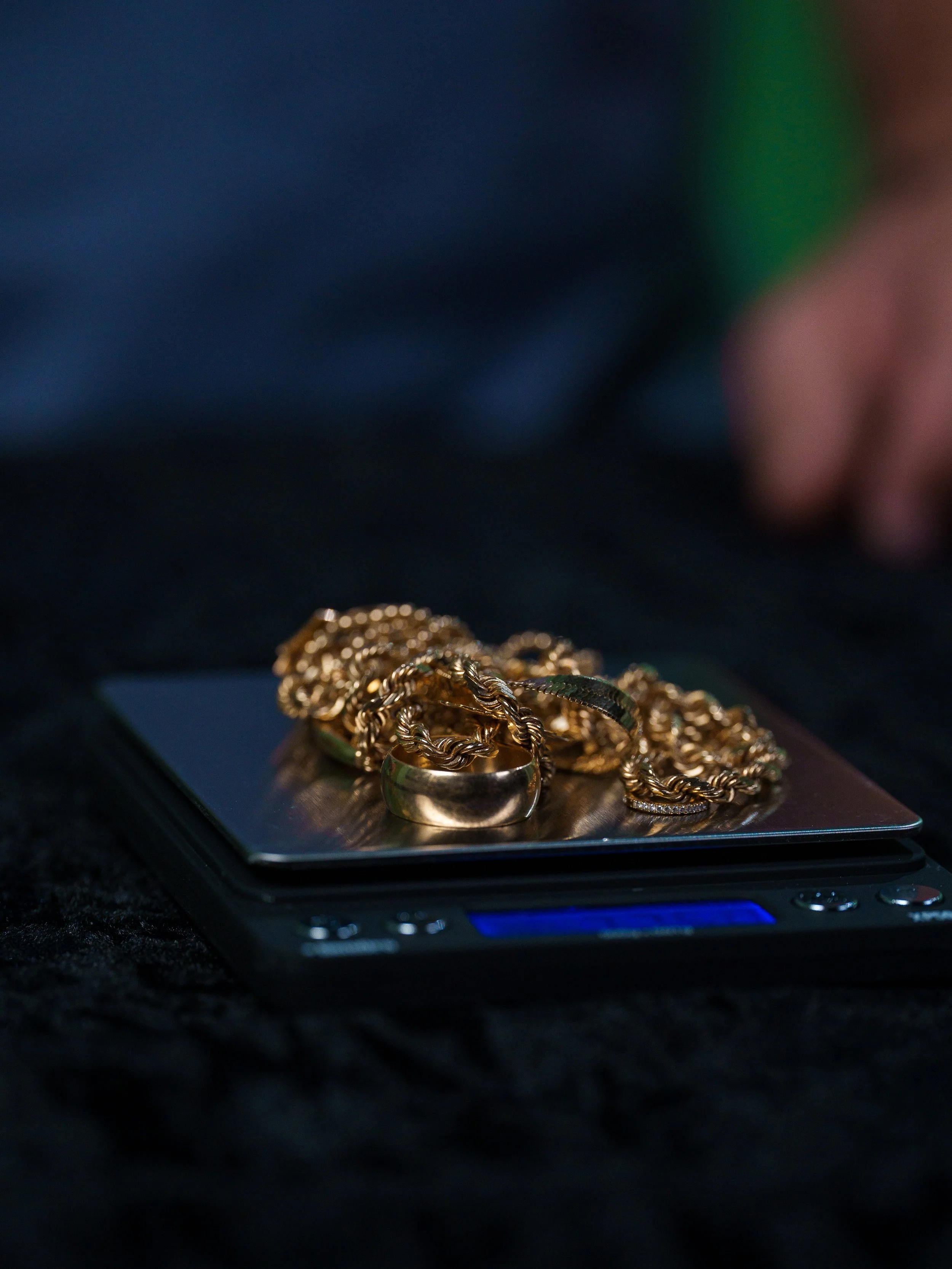
The gold market is complex, but selling your gold does not have to be. The team at Luxury Buyer KC uses certified scales and non-invasive XRF technology to test your items right in front of you. We will show you the exact purity and weight of each piece and explain how we use the live market data to formulate your firm, no-obligation offer. Schedule your evaluation today.