
How to Know If Your Rolex Is Worth More Than You Think
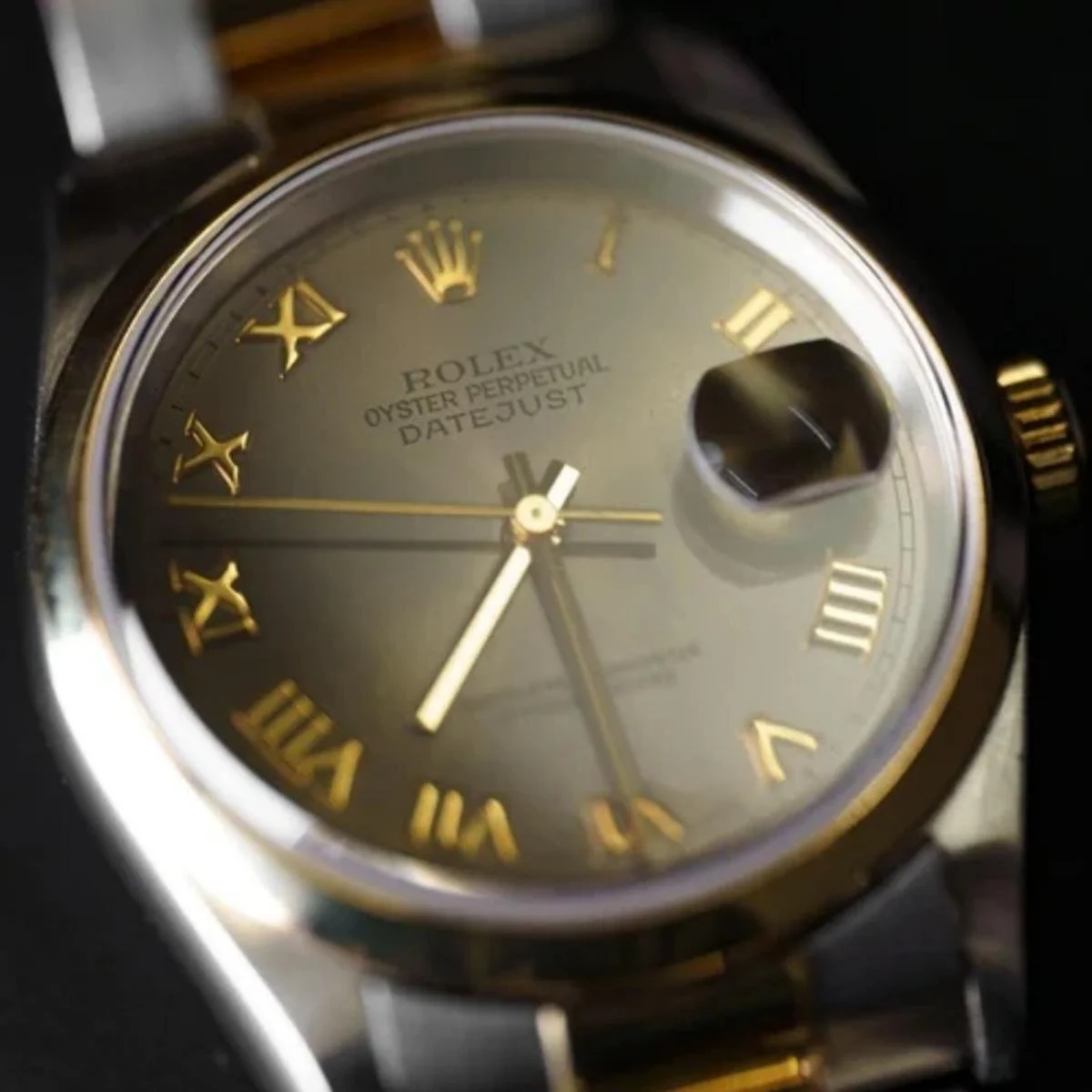
Most people who own a Rolex have no idea what it is actually worth right now. They bought it years ago, stashed it in a drawer, or inherited it from a family member. Some assume the value has dropped because the watch is old. Others think only brand-new models matter. Both assumptions are wrong. Many pre-owned Rolex watches are worth significantly more today than when they were first purchased, and some specific references are quietly worth a small fortune sitting in your home right now.
Does the Rolex Reference Number Actually Matter?
Yes, and more than most people realize. The reference number is the single biggest factor in determining how much your Rolex is worth on the open market.
Every Rolex has a reference number engraved between the lugs at the 12 o'clock end of the case. This number tells buyers, dealers, and collectors exactly which model and generation they are dealing with. Two Rolex Submariners can look almost identical and yet have a price difference of thousands of dollars simply because of their reference numbers.
The Rolex Submariner Ref. 126610LV, the one collectors call the "Starbucks" because of its green bezel and dial, commands serious premiums. So does the Rolex Explorer II Ref. 216570 in polar white. These are not flukes. The market assigns higher value to certain references because of production volume, material upgrades, dial variations, and collector demand. Knowing your reference number before you get an appraisal is the first step to understanding where your watch sits in the market.
What Role Does Condition Play in Rolex Value?
Condition matters, but probably not in the way you expect.
Most sellers assume a polished, shiny watch is worth more. Experienced buyers actually prefer an unpolished case with original brushed and polished surfaces intact. When a Rolex is buffed at a jeweler or watch shop without proper training, the sharp edges and original finishing get rounded off. That is called an "over-polished" watch and it reduces value among serious buyers who know what they are looking at.
Dials are another area where small details create big price differences. Rolex dials age in specific, predictable ways depending on the era. A "tropical dial," for example, is one where the original black or brown lacquer has developed a rich caramel tone over decades. These are not defects. They are highly sought after by collectors and can add significant value to a vintage piece. If your dial looks like it has some unusual coloring, do not assume that hurts the value before getting a professional opinion.
Original crown, original bracelet, and matching serial numbers to the case back also contribute to what collectors call the "integrity" of the watch. A complete set with all original parts is worth more than the same reference with replacement components.
Are Box and Papers Really Worth That Much?
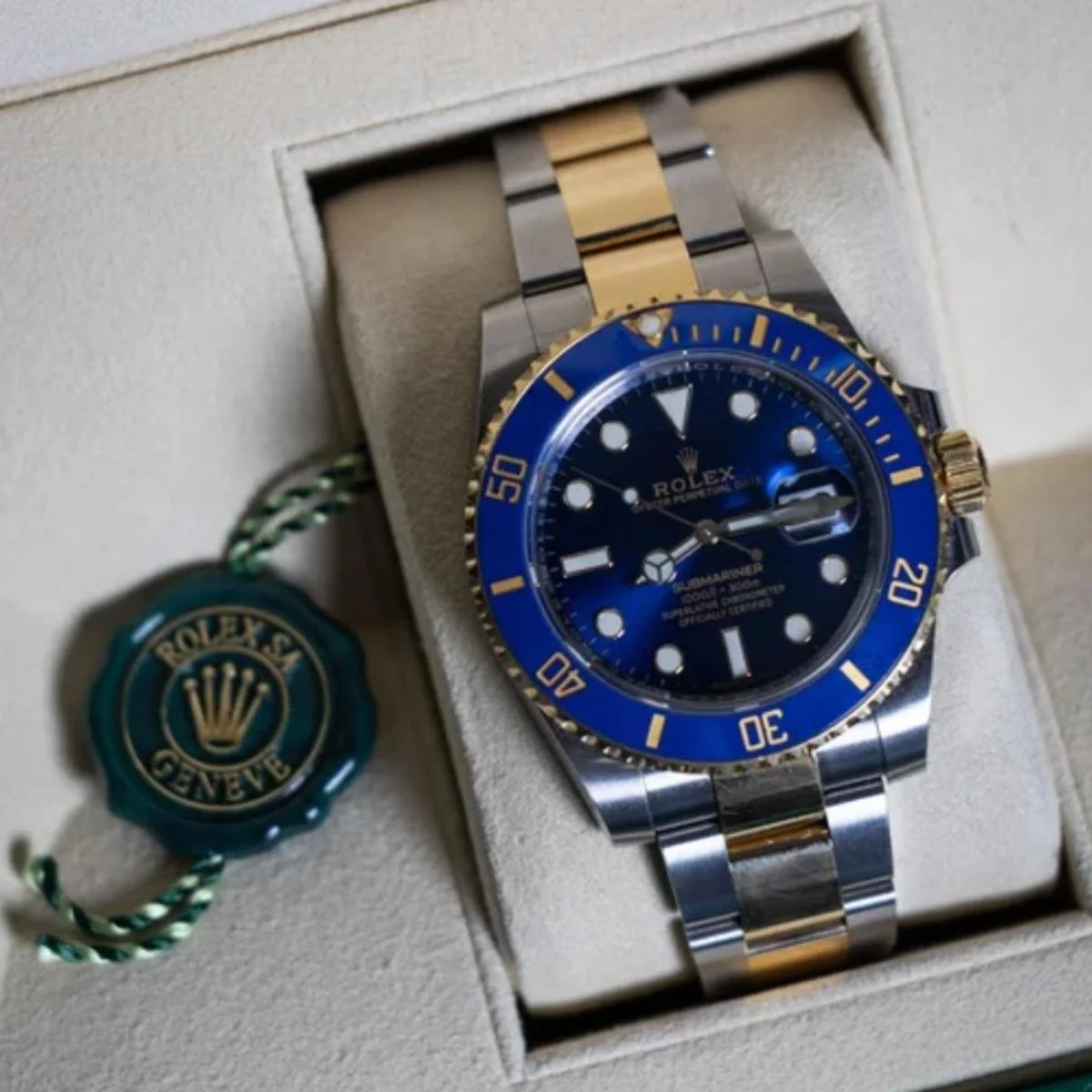
Short answer: yes. The difference can be thousands of dollars.
Box and papers refer to the original box the watch came in and the warranty card or certificate of authenticity that accompanied it. In collector language, a watch with both is called "full set." Rolex watches sold with the original box and papers consistently sell at premiums of 10 to 30 percent over the same watch without them, depending on the model and age.
The warranty card, or "hang tag" on older pieces, tells you where and approximately when the watch was sold. Retailers stamped and dated these cards, and some specific dealers add additional value for certain regions and eras. If you have a watch from the 1970s, 80s, or 90s with original paperwork, that is a meaningful asset to have evaluated.
Even if you are missing one piece, having just the box or just the papers still adds value compared to having nothing. Do not throw these items away before you get an appraisal.
Does the Age of a Rolex Lower Its Value?
Not automatically, and sometimes age is the reason the watch is worth more.
Vintage Rolex watches from the 1950s through the 1980s occupy a dedicated and well-funded corner of the collector market. References like the Rolex Datejust, Submariner, GMT-Master, and Day-Date from that era regularly sell for multiples of their original retail prices when they are authentic and well-preserved.
The Rolex Day-Date "Presidential" in 18-karat gold is a good example. An older reference in original condition with the right dial can attract buyers who will pay a premium that surprises most casual owners. The key word is "authentic." Age only adds value when the watch is genuine, unaltered, and identifiable.
One thing that catches people off guard is the "tropical" phenomenon mentioned earlier. Rolex used specific lacquer formulations in earlier decades that were eventually changed. Watches from those specific production runs are now in limited supply and high demand. If you have a vintage Rolex with a dial that looks different from what you see online, that is a reason to get it looked at, not a reason to assume it is damaged.
For anyone in the Kansas City area curious about what an older Rolex might be worth, having it evaluated by a certified professional is the most reliable path forward. You can schedule an appointment here for a private, no-pressure consultation.
How Do Movement Upgrades and Service History Affect Value?
This is where many owners make an avoidable mistake.
Rolex has released updated in-house movements over the decades, and earlier references sometimes use calibers that have been superseded. Buyers and collectors understand this. A watch with a period-correct movement is worth more than the same watch with a replacement movement, even if the replacement technically runs better. Matching movement numbers to the case numbers matters to serious buyers.
Service history is a different matter. Having documentation of professional service through an authorized dealer or respected watchmaker is a positive. It signals that the watch has been maintained properly. What hurts value is a service record showing that parts were replaced with non-original components, or worse, no one can verify what was done to the watch internally.
If you have your service records, keep them with the watch when you bring it in for evaluation. If you do not, a qualified appraiser can still assess the movement directly.
What Is the Difference Between Retail Value and What a Buyer Will Offer?
This is one of the most misunderstood parts of selling a Rolex.
Retail value is what a watch costs new at an authorized Rolex dealer. Secondary market value is what collectors and buyers will pay for a pre-owned piece. Trade-in value is what a dealer will offer you directly. These three numbers are almost never the same.
Secondary market prices for Rolex have been tracked closely over the past decade. Certain references, especially sports models, saw prices rise significantly during 2020 and 2021, then pulled back to more stable levels. In 2026, the market is relatively stable but still highly reference-specific. A Rolex Submariner in current production will trade differently than a mid-2000s Submariner with a patina dial.
When working with a buyer, what you receive is based on current resale demand, the condition and completeness of the watch, and how quickly the buyer can move it in their market. A transparent buyer will walk you through exactly how they arrived at the number they offer. If someone gives you a number without any explanation, that is a signal to ask more questions.
Frequently Asked Questions
Does a Rolex increase in value over time?
Many Rolex models do hold or increase in value over time, particularly sports references and limited production pieces. Vintage models in original condition are especially sought after by collectors. That said, not every Rolex appreciates, and value depends heavily on the specific reference, condition, and current market demand.
What makes a Rolex more valuable to sell?
The biggest value drivers are reference number, original condition without over-polishing, matching serial numbers, original dial, and the presence of box and papers. A watch with all of these intact will consistently outperform the same reference without them.
Should I get my Rolex serviced before selling it?
Not necessarily. Servicing a watch before selling it can actually work against you if non-original parts are introduced during the service. Have the watch evaluated first. A qualified buyer can assess its mechanical condition and factor that into the offer without requiring you to spend money on service beforehand.
How do I find out my Rolex reference number?
The reference number is engraved between the lugs on the case at the 12 o'clock position. You will need to remove the bracelet or use a loupe to see it clearly. Some older models have it engraved on the case back. The reference number is typically four to six digits, sometimes followed by letters.
Where can I sell a Rolex in Kansas City?
You can sell your Rolex at Luxury Buyer KC, located in Prairie Village. The process is private, straightforward, and handled by a GIA-certified professional who bases offers on current market pricing.
Know What You Have Before You Decide Anything
A Rolex is not just a watch. For many owners, it represents a financial asset they have been sitting on without realizing its full market position. Reference numbers, dial condition, provenance, and documentation all work together to define what your specific watch is worth in today's market.
The worst outcome is selling a Rolex for less than it is worth because no one took the time to explain the details. The second worst outcome is holding onto something valuable without knowing what options are available to you.
Luxury Buyer KC works with Rolex owners across the Kansas City area who want straightforward, knowledgeable evaluations. Whether you have a vintage piece, a current reference, or something you inherited and are not sure about, the evaluation process starts with a private appointment. You can also browse the current watch inventory to get a sense of the market. Visit us at 5100 W. 95th St, Prairie Village, KS, or call 816-493-2662 to get started.
