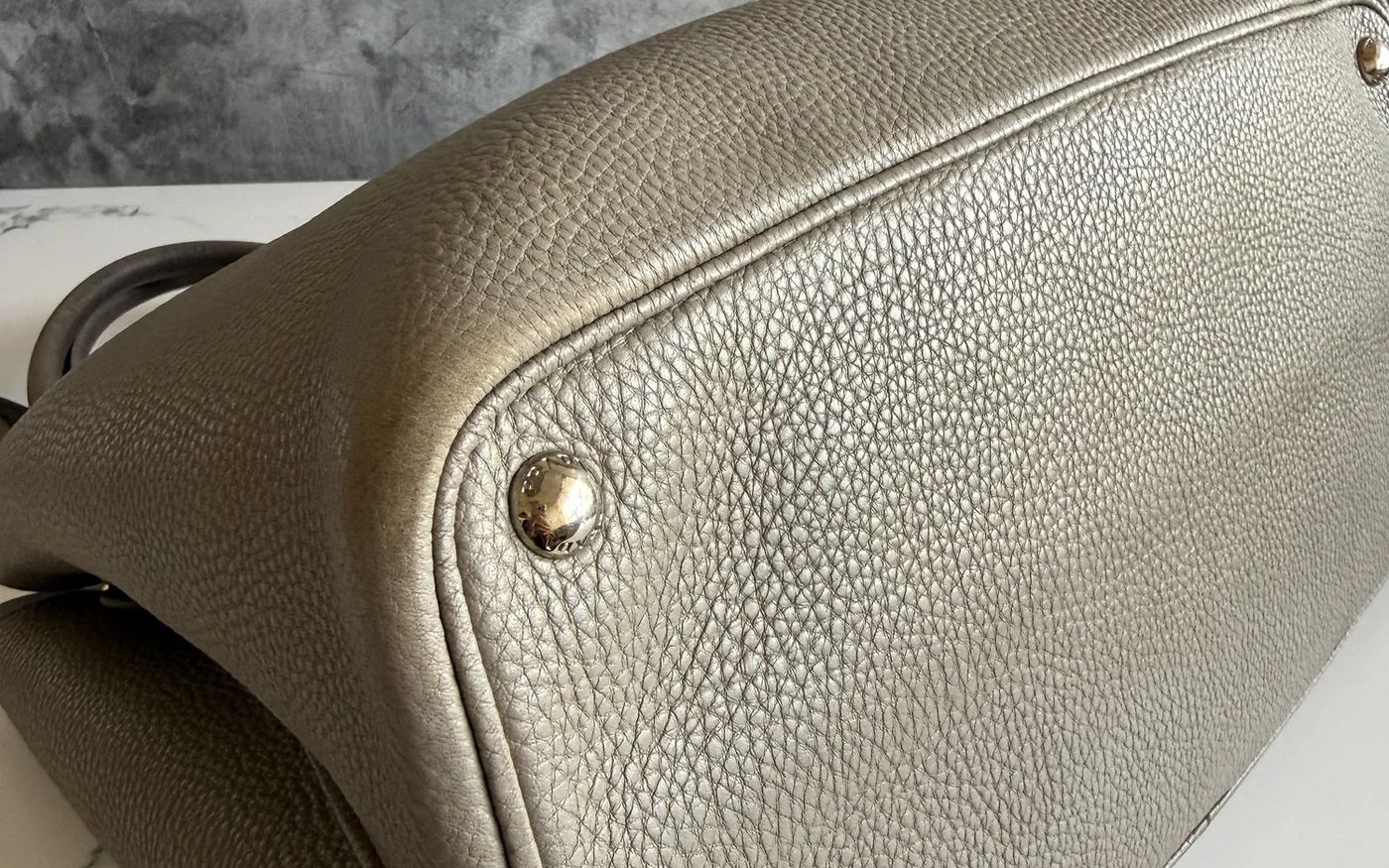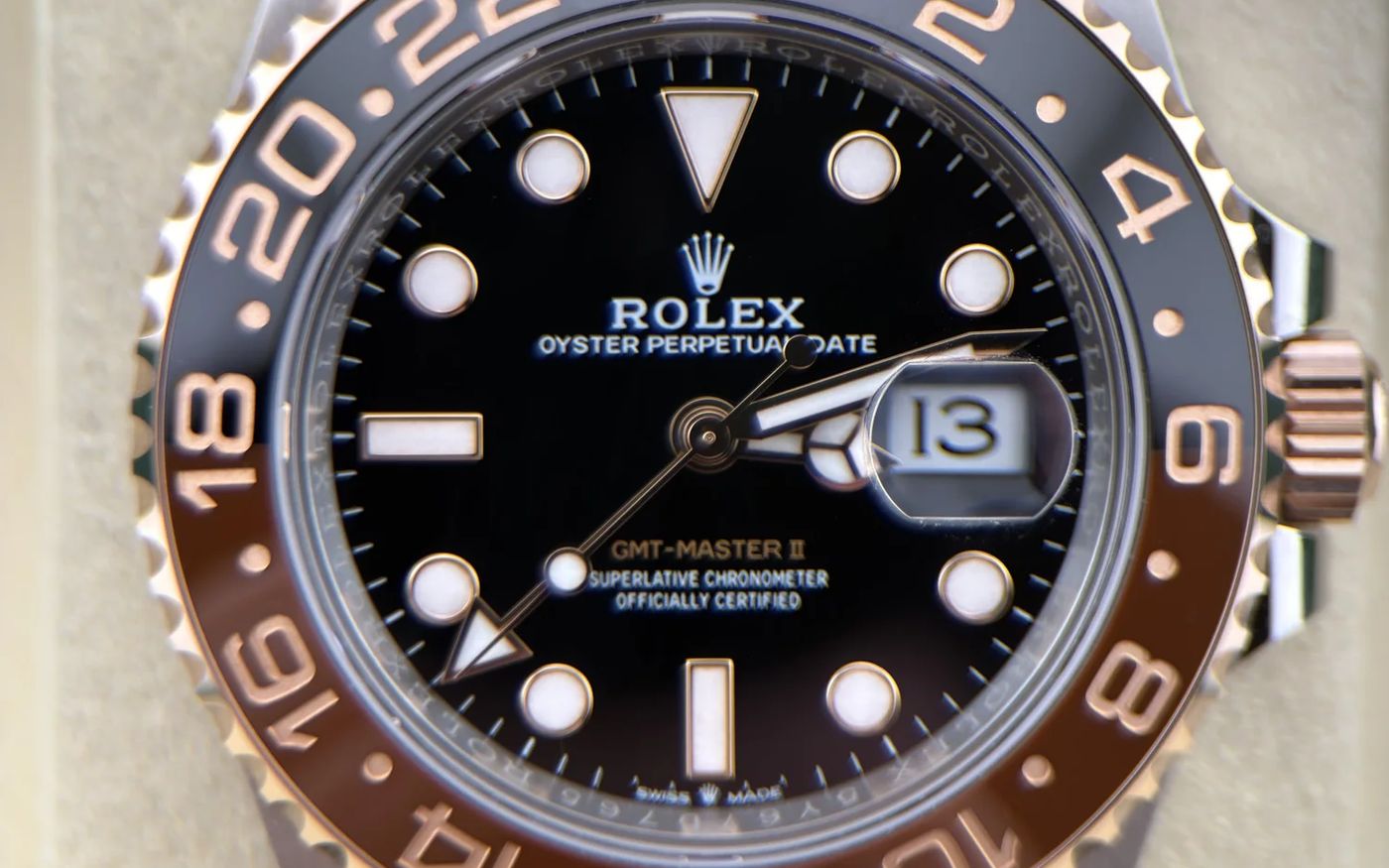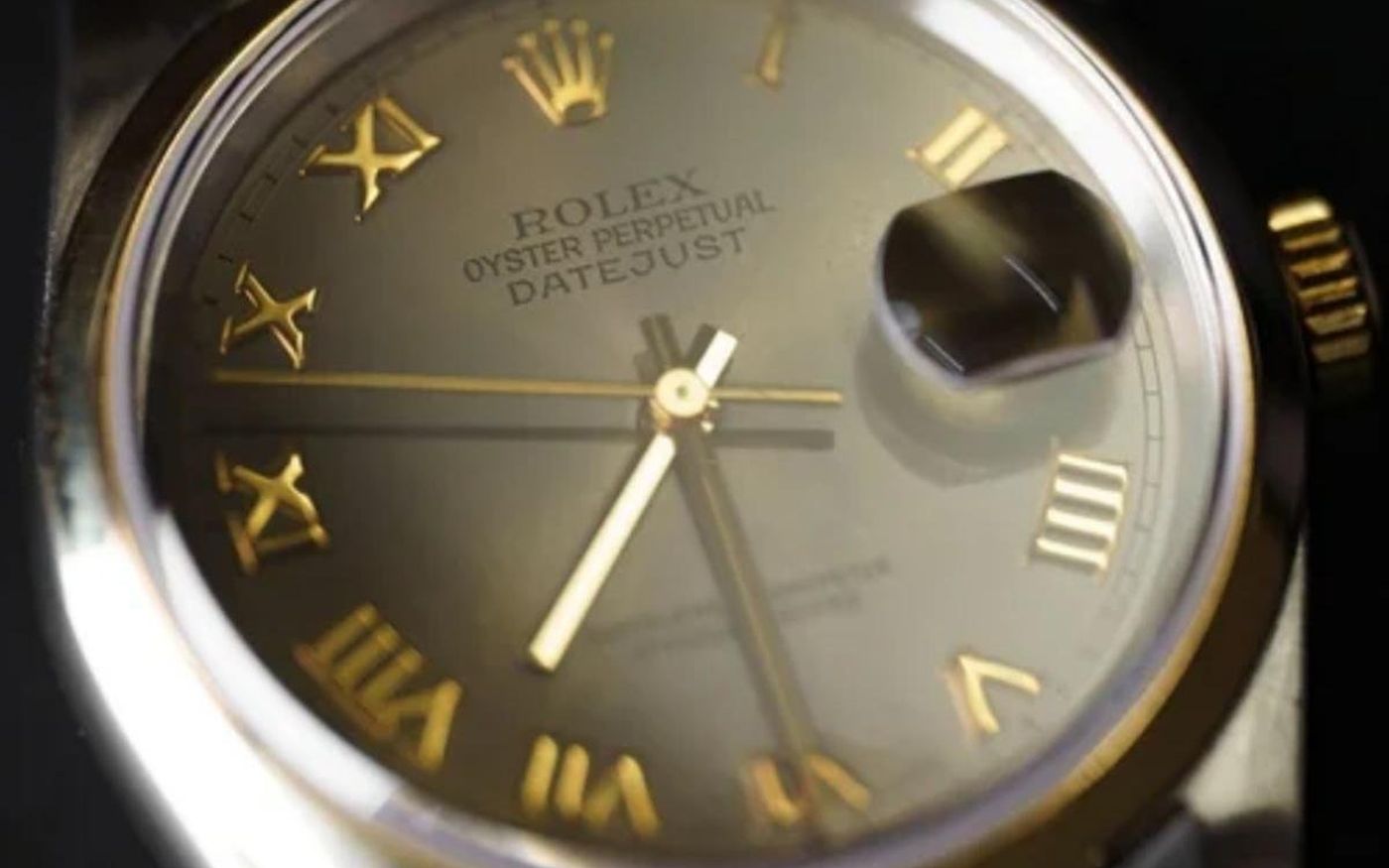

The asking price is what a seller hopes to get, and the sale price is what the piece actually trades for once a real buyer is involved. On luxury goods, those two numbers are often far apart: a watch listed at $18,000 might really sell for $12,000, and a handbag marked “retail $10,000” might change hands for half that. If you are trying to figure out what your Rolex, Chanel flap, or inherited jewelry is worth in Kansas City, understanding that gap is the difference between pricing a piece realistically and chasing a number no one will ever pay.
What Is the Difference Between Ask and Sale Price?
Ask price is the number a seller attaches to an item, and sale price is what a buyer actually pays, so the ask is a starting position and the sale is the result. On luxury goods the ask is almost always higher, because sellers price with the original retail tag, a little negotiating room, and often some emotional attachment in mind, while the sale reflects only what the market will genuinely support on a given day. Think of the ask as an opening offer and the sale as the agreement both sides finally reach: the two are close when a piece is priced accurately and in demand, and thousands of dollars apart when a seller anchors to what they paid or what they feel the item should be worth.
Why the Gap Exists and Where It Shows Up
The gap exists because asking prices are set by optimistic sellers while sale prices are set by buyers comparing options, and because listing prices are public while sold prices stay hidden. That lets a hopeful ask masquerade as market value, including on listings that sit unsold for months, which is exactly why inflated prices cluster on peer-to-peer marketplaces and in listings that never close. A few other numbers get mistaken for value in the same way: auction estimates are projections rather than guarantees, with the real figure being the hammer price, and an insurance appraisal states the retail cost to replace an item new, which is deliberately high for coverage and far above what the piece would actually sell for.
How Real Sale Prices Are Set
A real sale price depends on condition, completeness, authenticity, brand and model demand, and current metal prices, not on what a seller hoped for. Condition and servicing history move the number significantly, original box and papers and authenticity cards push it toward the top of the range, and verified authenticity commands full market price while anything unconfirmed trades at a steep discount. Demand matters just as much, and it behaves differently by category: watches swing on model and reference, with a few selling at or above retail and many well below it; handbags hold value in classic styles but fall off fast in trend pieces; and jewelry and gold carry a measurable floor from their metal and stone content, with any design or brand premium added on top of that baseline.
Why Online Comparisons Mislead You
Online comparisons mislead because they almost always show asking prices rather than completed sales, and because they rarely account for condition or completeness, so a quick search tends to return a number that is either too high, since it reflects hopeful listings, or impossible to trust, since it strips out the details that actually drive value. Real pricing comes from tracking what comparable pieces in similar condition have actually closed at recently, which is harder to find and harder to read correctly than a row of listings, and is the reason a glance online so often produces a figure that no genuine buyer will ever match.
What It Means If You Are Buying or Selling
If you are selling, price against real sale data rather than asking prices or the retail tag, and gather your box, papers, receipts, and authenticity materials first, since they push the real number up. A realistic sale price is not a lowball; it is what a genuine buyer will actually pay today, and that is worth far more than a high ask that never converts into a sale. If you are buying, treat the asking price as a starting point rather than the value of the item, because a high ask does not mean a piece is worth it and a low ask is not automatically a deal when condition or authenticity can erase any apparent savings. The goal on both sides is the same: a real market price for a verified piece, not a win against a number that was never realistic.
Why a Professional Evaluation Matters
A professional evaluation cuts through the noise of asking prices and tells you what a piece is actually worth in today’s market, protecting sellers from pricing to a number no one will pay and buyers from overpaying against a hopeful listing. Travis Curley is a certified Graduate Gemologist from the Gemological Institute of America, trained to evaluate pieces on measurable factors like condition, materials, and authenticity rather than on sentiment or online asks, and at Luxury Buyer KC watches, jewelry, gold, and handbags are all evaluated privately and respectfully, with no pressure to sell and no need to ship irreplaceable items to a stranger. The process is simple: the item is examined for condition, authenticity, and completeness, gold and gemstone pieces are weighed to establish a baseline, and you receive an offer based on what comparable pieces are actually selling for today, with both in-person and virtual appointments available and no obligation if you decide not to sell.
Common Mistakes to Avoid
The most common mistakes all come from trusting the wrong number: pricing to the original retail tag, treating a single online asking price as market value, confusing an insurance appraisal with a sale price, and selling to the first buyer without an independent evaluation. Each one leads to the same place, either an item that sits unsold because it is priced to a hope, or a piece sold for less than it was worth because no one checked. A fair, market-based offer is easy to recognize once you actually know what a piece is worth, and that clarity only comes from a real evaluation rather than a glance at online listings.
Frequently Asked Questions
What is the difference between the asking price and the sale price of a luxury item?
The asking price is what a seller lists an item for, and the sale price is what a buyer actually pays. On luxury goods the asking price is usually higher, because it reflects the seller’s hopes, the original retail tag, and room for negotiation, while the sale price reflects what the market will genuinely support.
Why is my luxury item worth less than the price I see listed online?
Online listings show asking prices, not completed sales, and many never sell at the number shown. Your item’s real value depends on condition, completeness, authenticity, and current demand, so a professional evaluation that reflects what comparable pieces are actually closing at today is far more reliable than an online listing.
Does an insurance appraisal tell me what my watch or jewelry will sell for?
No. An insurance appraisal states the retail cost to replace an item new, which is deliberately high for coverage, while the sale price a buyer will actually pay for your used piece is typically lower, so an insurance appraisal should not be used to set an asking price.
How do I find out what my piece will actually sell for?
The most reliable way is a professional evaluation that weighs condition, completeness, authenticity, and current demand rather than relying on online asking prices, because an expert who handles these pieces regularly can tell you what comparable items are actually selling for now.
Do I need an appointment to get a luxury item evaluated?
Scheduling ahead ensures focused, unhurried attention, and both in-person and virtual evaluations are available, so you can choose whichever works better for your schedule and comfort level.
Final Thoughts
The gap between ask and sale is where most pricing mistakes happen, because asking prices are built on hope, retail tags, and negotiating room while sale prices are built on condition, authenticity, completeness, and real demand. Luxury Buyer KC evaluates watches, jewelry, gold, and handbags on what they are actually worth today, giving Kansas City buyers and sellers an honest number instead of a hopeful one, without pressure and without shipping anything to a stranger. Schedule an appointment today, or explore what else Luxury Buyer KC buys and sells to see how the process works.